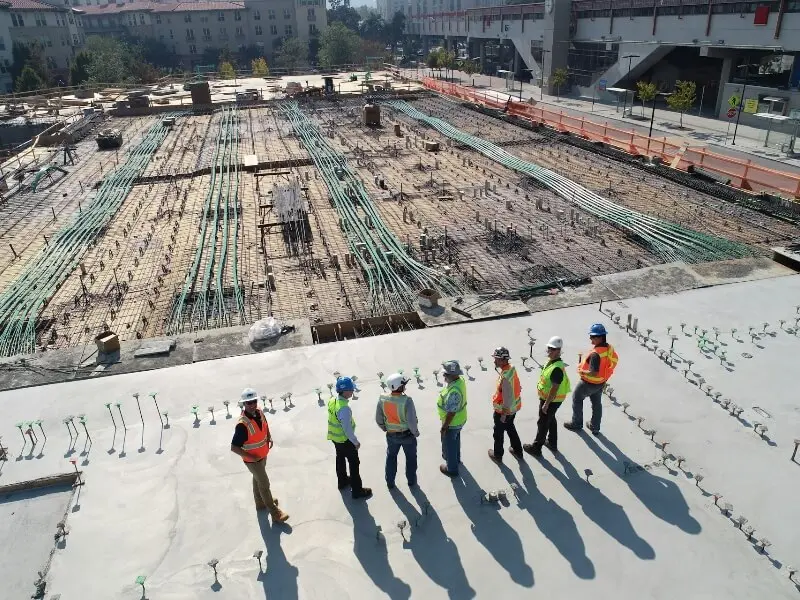
In 2026, builders are choosing sustainable materials because they make sense. They last longer, perform better and reduce long-term environmental impact.
Builders and homeowners are paying closer attention to where materials come from, how they’re made and what happens to them at the end of their life.
As the focus shifts towards durability and circularity, these are the seven environmentally considerate building materials leading the way.
1. Bamboo
Bamboo remains a top choice in sustainable construction due to its rapid growth and renewability. It matures much faster than traditional hardwoods and can be harvested without killing the plant. This makes it an environmentally responsible alternative to wood in many applications.
In buildings, bamboo is commonly used for flooring, wood finishes and cabinetry. When properly treated, it’s durable and resistant to wear. Its natural appearance also makes it popular in modern and minimalist designs, offering sustainability and visual appeal.
2. Hempcrete
Hempcrete is increasingly used in eco-conscious residential and small commercial projects. Made from hemp fibres mixed with lime and water, it provides excellent insulation and breathability. This helps regulate indoor temperatures and moisture levels, improving comfort and energy efficiency.
Although hempcrete isn’t load-bearing, it works well as wall infill around a structural frame. One of its biggest advantages is its carbon footprint. The hemp plant absorbs carbon dioxide as it grows, and much of that carbon remains stored in the finished material.
3. Metal
Metal remains one of the most practical and environmentally considerate building materials available. It’s a smart option for structural and exterior applications. Unlike many traditional materials, metal can be recycled repeatedly without losing its core properties. This significantly reduces the need for new raw material extraction and lowers overall environmental impact.
As a building material, metal resists fire, pests and moisture damage, which helps extend the lifespan of a structure. Fewer repairs and replacements over time result in less waste and fewer resources being used. Because of its durability and widespread use, builders should plan project timelines to account for procurement, as lead times can vary for high-demand metals like steel. Metal also performs well in a wide range of climates, making it a versatile choice for sustainable construction.
Corrugated metal is commonly used for roofing and siding. Its shape adds strength without increasing weight, enabling efficient material use. As a roofing material, corrugated metal reflects solar radiant heat, helping to reduce heat buildup inside the building and lowering cooling demands. Metal roofs also last longer than asphalt alternatives and are often installed over existing roofs, helping reduce construction waste.
4. Rammed Earth
Rammed earth construction uses natural soil-based materials compacted into solid walls. This method has very low embodied energy, especially when materials are sourced locally. It also produces extremely durable structures that can last for generations.
Rammed-earth walls have high thermal mass, which helps stabilise indoor temperatures throughout the day. This reduces reliance on heating and cooling systems and supports energy-efficient building design. The natural look of rammed earth is also appealing to those who prefer organic, understated finishes.
5. Reclaimed and Recycled Materials
Reclaimed materials play a major role in sustainable construction. Reusing wood, metal and masonry from existing pictures keeps usable materials out of landfills and reduces demand for new production. Reclaimed wood adds character while supporting responsible resource use.
Reinforced concrete aggregates are also widely used for foundations, road bases and landscaping. These materials help conserve natural resources and lower emissions associated with quarrying and processing new materials.
6. Natural and Bio-Based Insulation
Environmentally responsible insulation options have expanded significantly in recent years. Materials such as cellulose, cork and sheep’s wool offer strong thermal performance without relying on synthetic chemicals. Many of these options are made from recycled or renewable sources.
Cellulose insulation, produced from recycled paper, is particularly effective in reducing heat loss and enhancing sound control. Cork and wool naturally regulate moisture and improve indoor air quality. These materials support energy efficiency while aligning with sustainable building goals.
7. Mass Timber
Mass timber, including cross-laminated timber and glued-laminated beams, has become increasingly popular in sustainable construction. These engineered wood products use smaller pieces of wood bonded together, enabling efficient use of forestry resources.
When sourced from responsibly managed forests, mass timber stores carbon rather than emitting it. It also offers strong structural performance and faster construction times, making it an attractive alternative to more carbon-intensive materials in certain building types.
Building Sustainably in 2026
In 2026, environmentally considerate building materials will be practical and accessible. Choosing these types of materials helps reduce environmental impact while improving building performance. Sustainability has become a smarter way to build for the future.
You may also like...



Sign up for our newsletter
Get the latest sustainability news delivered directly to your inbox.
Explore more guides
Climate ActionConscious LivingEco-Friendly Homeethy NewsFashion & BeautyFood & DrinkShop SustainablyThoughtful TravelThriving Communities
Sustainable shopping at your fingertips
ethy has a free app that lists verified ethical businesses in the UK making it easier to avoid greenwashing! Access sustainability guides, get notified about exclusive discounts and find ethical shops near you.