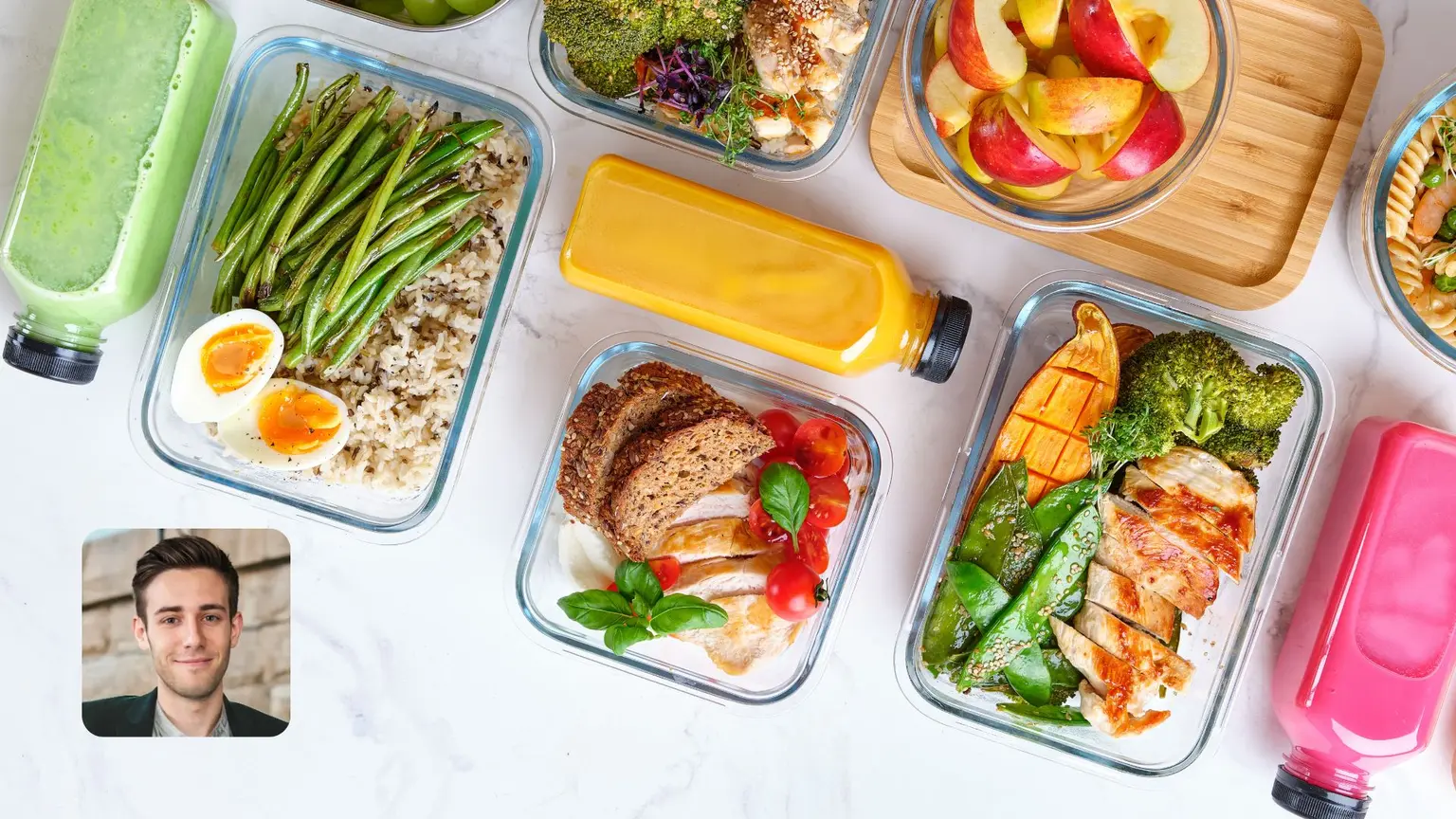
Meal prepping helps you stay on top of your meals, whether you’re an early riser or have a busy schedule. If you want to add a sustainable touch to your lifestyle, try zero-waste meal prep.
Here are seven simple hacks to make eco-conscious meal prepping easy, delicious and stress-free.
1. Conduct a Weekly “Pantry Audit”
Before making a grocery list, take inventory of what you already have on hand. Check your fridge, freezer and cupboards for half-used sauces or cans of beans you might have forgotten about. Sort your items by expiration date and how often you use them. Place everyday staples like oats and coffee right up front so they’re easily accessible.
Next, plan meals around items that are nearing their expiration dates. You’d be surprised at how easily you can turn random cans and boxes into tasty dinners. This simple habit can help you avoid that “there’s nothing to eat” feeling and extra trips to the grocery store. Impulse buys make up about 62% of supermarket sales — a little planning goes a long way.
2. Adopt a “Root-to-Stem” Cooking Mindset
Root-to-stem is about making the most of every part of your ingredient, helping you reduce food waste. Use fruits and vegetable peels, leaves and stalks in your meals — parts you might usually toss out. One of the easiest ways to use scraps is by making a homemade veggie stock. Simmer water, add scraps and seasonings, cook for about an hour and strain after.
Pickling beets or apples before they spoil is another fun idea. This method gives your veggies or fruits a bright, tangy flavour. Simply mix vinegar, water, salt or sugar, your favourite seasonings and whatever vegetable or fruit you want to pickle in a jar.
3. Store Food Properly
Proper storage is one of the easiest ways to prevent food waste. First, make sure your fridge’s setting is set between 0 and 5 degrees Celsius and keep your freezer at around -18 degrees Celsius. Eat or get creative with your leftovers within 48 hours. If you don’t think you’ll eat them in time, just pop them in the freezer.
Remember to cool warm dishes before placing them inside the fridge and freezer. Store your food in airtight containers or wrap well in freezer bags to preserve freshness. Don’t forget, once your food is fully defrosted, eat it within 24 hours to stay safe.
4. Master Batch Cooking Components
Meal prep doesn’t have to mean cooking five identical meals. Try batch-cooking versatile ingredients that you can mix and match for different dishes. It’s a great way to save time and keep even the pickiest eaters happy. With a little planning, you can use your food more efficiently and reduce waste.
Here’s an easy way to start — decide what to eat for dinner each night of the week based on the ingredients you batch-cooked. For example, if you double the amount of ground beef for tacos, you can use the leftovers to whip up a quick chilli the next day.
5. Use Meal-Planning Mobile Apps
Ever feel stuck on what to cook next? A meal-planning app can make your life easier by suggesting recipes using ingredients you already have at home. Whether you’re looking to shed some weight or just short on time, there’s an app for your need.
Many of these apps let you import your favourite recipes from the web, check out nutritional information and filter meals by calorie count. While some apps charge for premium features, some individuals find the extra perks truly helpful.
6. Invest in Tools That Genuinely Help
The right kitchen tools can make zero-waste efforts easier and more fun. Studies show that using airtight packaging can double the shelf life of food, so you get to enjoy it for longer. Mylar bags are another handy option. If you store dried foods — such as beans — in them, they can last for 20 to 30 years when stored properly.
For processing and using leftovers, consider investing in a food processor. You can use it to turn leftover vegetables into sauces, soups and other mixtures. If you love fresh flavours, use a herb keeper to grow your herbs indoors.
7. Compost What You Can’t Eat
Even with the best efforts, some scraps — such as coffee grounds and eggshells — are unavoidable. Composting is a simple way to reduce waste and create rich, healthy soil that allows your plants to thrive. If you compost at home for just one year, you can save as much carbon dioxide as a kettle generates in a year or as much as a washing machine uses in three months.
Place your compost bin in a sunny spot, right on the soil. This helps helpful bugs and microbes get to work faster. When your compost looks dark and crumbly, you’ll know it’s ready to use in your garden.
Prep Smarter
You now have the tools to make a difference for yourself and the planet. Try out these tips and see which ones fit best with your routine. Your future self and Mother Earth will thank you for the extra effort. Every little bit helps, so have fun experimenting.
You may also like...



Sign up for our newsletter
Get the latest sustainability news delivered directly to your inbox.
Explore more guides
Climate ActionConscious LivingEco-Friendly Homeethy NewsFashion & BeautyFood & DrinkShop SustainablyThoughtful TravelThriving Communities
Sustainable shopping at your fingertips
ethy has a free app that lists verified ethical businesses in the UK making it easier to avoid greenwashing! Access sustainability guides, get notified about exclusive discounts and find ethical shops near you.